
It’s June here in Northern California. The blue hydrangeas along the shaded side of my garden are at their peak.
Most food and wine pairing plans start with one or the other. But sometimes, mine start with the flowers. Maybe it’s a florist’s instinct, or a gardener’s.
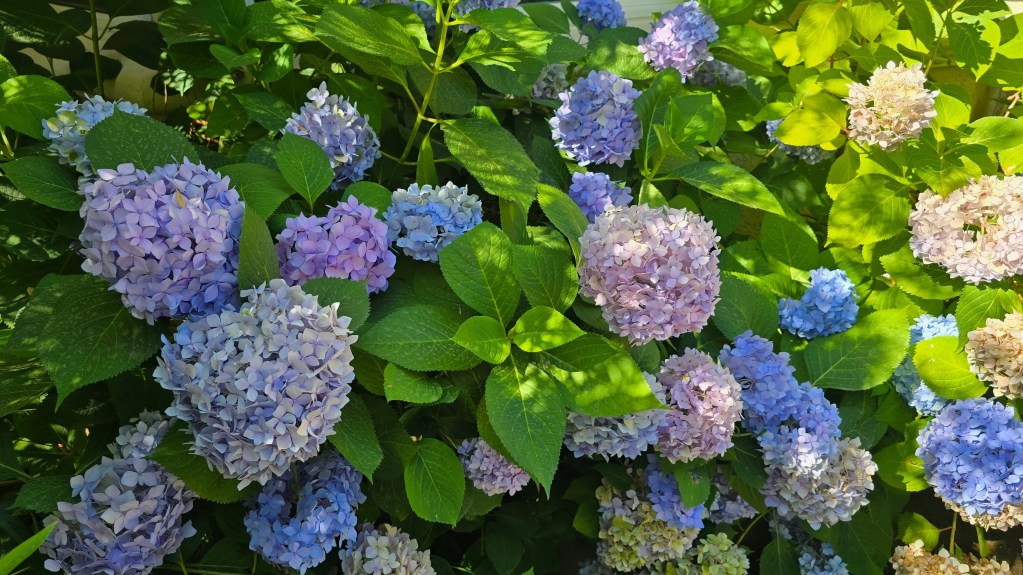
Those hydrangeas had me thinking about something light and bright:
a classic goat cheese wine pairing — whipped goat cheese with summer vegetables, herbs, and a chilled Sauvignon Blanc from the Loire Valley. And of course, hydrangeas from my garden.
Goat cheese and Sauvignon Blanc are a classic regional pairing from France’s Loire Valley, and there is a reason why they work so well together.
Why This Goat Cheese Wine Pairing Works
To understand the pairing, we have to look at both the map and the palate.
What Grows Together, Goes Together
The Loire Valley has been producing goat cheeses, locally known as chèvres, and Sauvignon Blanc side by side for centuries.
Several of these historic cheeses carry the prestigious AOP designation, such as Crottin de Chavignol, and the local wine has always been what people reached for alongside them.
When a region’s table and vineyard evolve together just like that, the pairing requires no calculation. It is already proven.
How They Meet on the Palate
Goat cheese is naturally high in acidity, and so is Loire Sauvignon Blanc. Neither overwhelms the other, creating a perfect balance on the palate.
The wine’s sharp acidity cuts through the dense richness of the goat cheese, while the cheese’s creaminess softens the wine’s sharp edges.
Adding vegetables and fresh herbs to the dish beautifully echoes the grassy, herbaceous character that Loire Sauvignon Blanc is famously known for.
Whipped Goat Cheese Dip with Vegetables
With natural, healthy ingredients, this dip takes less than ten minutes to put together and pairs beautifully with fresh or grilled summer vegetables.
Ingredients (Serves 2)
For the dip:
- 2 oz fresh chèvre (goat cheese), softened at room temperature
- 4 tbsp plain Greek yogurt
- 1½ teaspoons fresh lemon juice
- Flaky sea salt and freshly cracked black pepper
For the top:
- Summer vegetables, fresh or grilled: asparagus spears, halved cherry tomatoes, sliced zucchini, snap peas, or radishes (or honestly, whatever you like)
- Optional proteins: soft-boiled egg halves or grilled shrimp
- Extra-virgin olive oil (cold-pressed)
- Fresh dill, torn
- Lemon zest
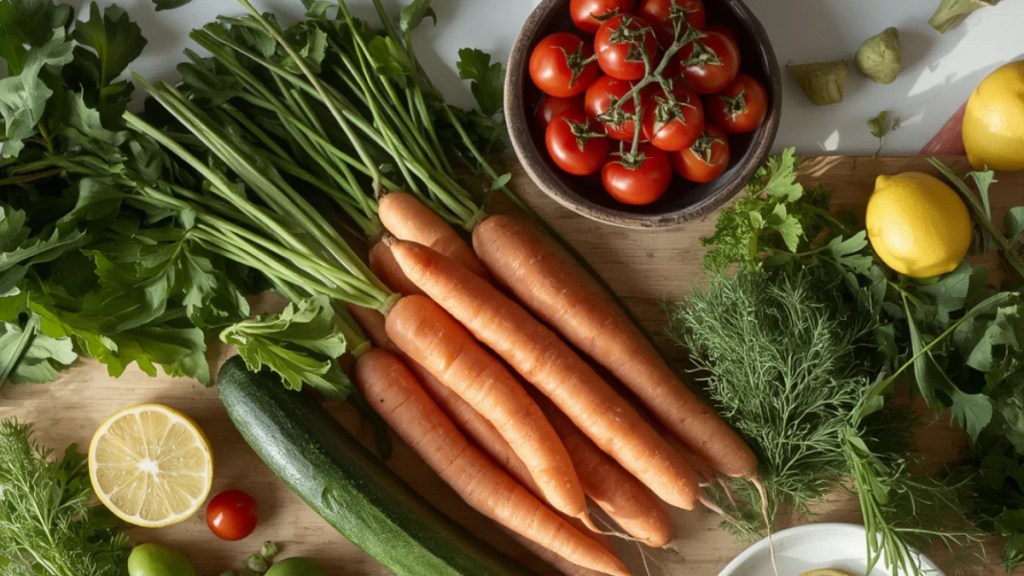
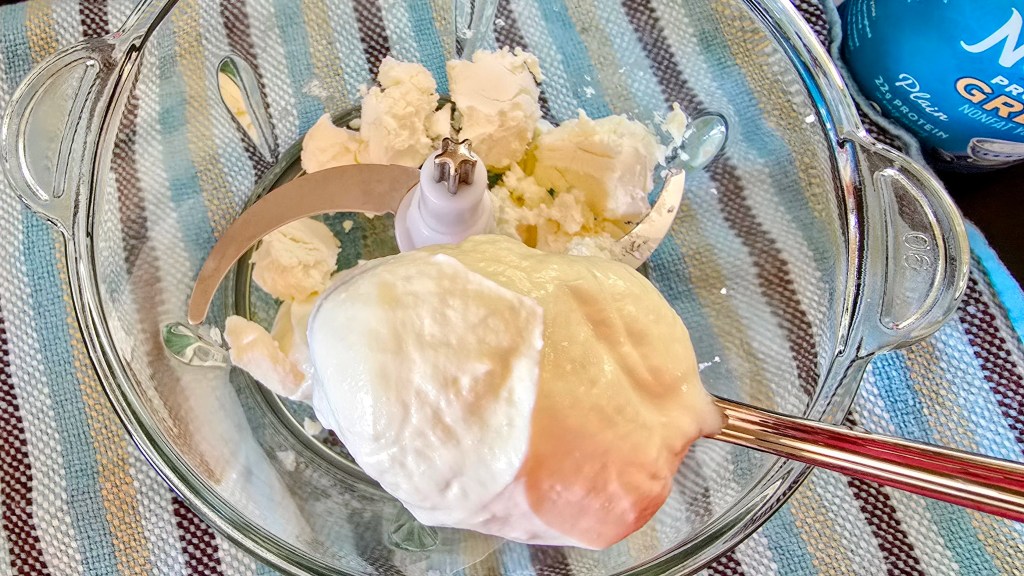

Photo © VinFloria
How to Make It
- Crumble the fresh chèvre into small chunks and place them in a food processor along with the Greek yogurt and lemon juice.
- Pulse until smooth, light, and easily spreadable —about 20 to 30 seconds — scraping down the sides of the bowl once during the process. Season to taste with salt and pepper.
- If grilling the vegetables, toss the asparagus and zucchini in a little olive oil and salt. Grill over medium-high heat for about 2 minutes per side to achieve distinct char marks and a crisp bite.
- Spread the whipped cheese into a shallow bowl, creating soft swirls with the back of a spoon. Arrange the vegetables on top, then finish with a drizzle of olive oil, the torn dill, and lemon zest. Serve with whole wheat pita or almond flour tortilla as an option.

Variations to Taste
Small changes in the dip shift how the wine tastes alongside it.
Lemon. More juice raises the acidity of the dip, which makes the wine feel rounder and gentler. Less juice lets the wine’s own acidity lead.
Fresh or grilled. Fresh vegetables highlight the herbal, grassy notes of the wine, allowing its flinty minerality to come through. Grilling adds sweetness and smoke, which pushes the wine into a refreshing, palate-cleansing role. Try both to explore.
Cheese-to-yogurt ratio. More goat cheese yields a richer, denser dip. The cheese’s intense tang and creaminess coat the palate, softening the wine’s sharp edges and allowing its hidden fruit notes to step forward. More yogurt lightens the texture and thins the fat, leaving a clean, high-acid base that gives the wine’s crisp minerality and herbal character room to cut through and shine.
Adding Protein: While summer vegetables are the default, adding protein beautifully shifts the dish from a light afternoon snack to a complete, wholesome dinner. Soft-boiled eggs add a rich, jammy depth that grounds the wine’s high acidity, while grilled shrimp—with their natural sweetness and char—create an instantly elevated flavor profile that Loire Sauvignon Blanc absolutely loves.
Two Bottles Worth Opening
Here are two distinct bottles from the Loire Valley, chosen to match the healthy, vibrant character of this dish. Serve around 45–50°F: cold enough for crisp freshness, yet warm enough to let the aromatics fully open.
The Splurge: Domaine Vacheron Sancerre
The Vacheron family has been making wine in Sancerre for nine generations. They farm biodynamically, and their estate sits on three distinct soil types: limestone, clay-chalk, and flint. That range of terroir shows in the glass.
Tasting notes. Citrus, gooseberry, crushed herbs, and a flinty minerality that stays well into the finish. Bright but layered.
The Find: Domaine du Courtillet Touraine Sauvignon Blanc
The Courtillet family has been cultivating vines in Touraine for four generations. They rely on low-intervention winemaking, growing their vines on similar limestone soils just a hundred kilometers west of Sancerre. It offers premium, terroir-driven quality under a less familiar, budget-friendly appellation.
Tasting notes. White blossom, tangerine zest, and honeyed pear, with a chalky mineral finish. Softer and more fruit-forward than Sancerre, while holding that distinct Loire character.
Floral Pairing: Blue Hydrangeas
Then here, the summery blue hydrangea.
Hydrangeas fill a vase like few other flowers can. Just three full heads are enough. A dozen packed tightly in a vase feels generous and lush, as though the table itself is blooming.
Blue hydrangeas against the vibrant, colorful dish and a chilled glass of pale gold Sauvignon Blanc is summer in a single frame.

Keeping Cut Hydrangeas Fresh
Hydrangeas absorb water through both their stems and their petals, which is why they wilt faster than most cut flowers once water uptake slows.
Here is a little trick I can recommend:
cut each stem at a steep diagonal to maximize surface area, then dip the freshly cut end into alum powder before placing it in the vase. Alum, available in the spice aisle of any grocery store, helps the stem draw water more efficiently.
Hydrangeas won’t last a week like roses might, but two to three beautiful days is more than enough for a weekend of summer entertaining.
Whipped goat cheese, a chilled bottle from the Loire, blue hydrangeas from the garden. A summer table, simply done.
Wine. Flowers. The Art of Living Well.
© VinFloria · All rights reserved.
Leave a Reply