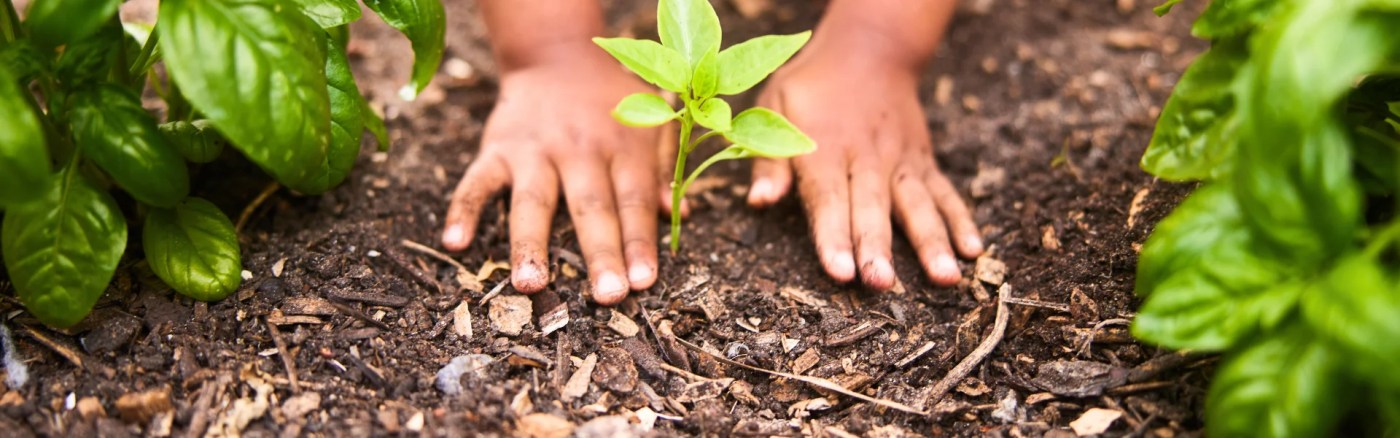
Watch a group of children playing in a park, and you will notice something almost instinctive: they are always drawn to the dirt.
They dig, press their fingers into the earth, and hold it up to the light, laughing as it crumbles. No one teaches them this. Yet somehow, the ones with soil on their hands always seem the happiest, in a way that plastic toys never quite produce.
Perhaps it is instinct. An ancient, wordless understanding that the earth beneath us is not merely ground to stand on, but something beautifully alive, something worth protecting. If that is true, then the soil we walk upon today must remain just as alive for the next generation, and the one after that.
That belief shows up in places we love. One of them is a glass of wine.
A great wine depends on many things: grape variety, vintage, winemaking skill, the vision of the producer. But every one of those stories begins in the same place — deep in the soil beneath the vine.
The Soil — An Invisible Architecture Beneath the Vine
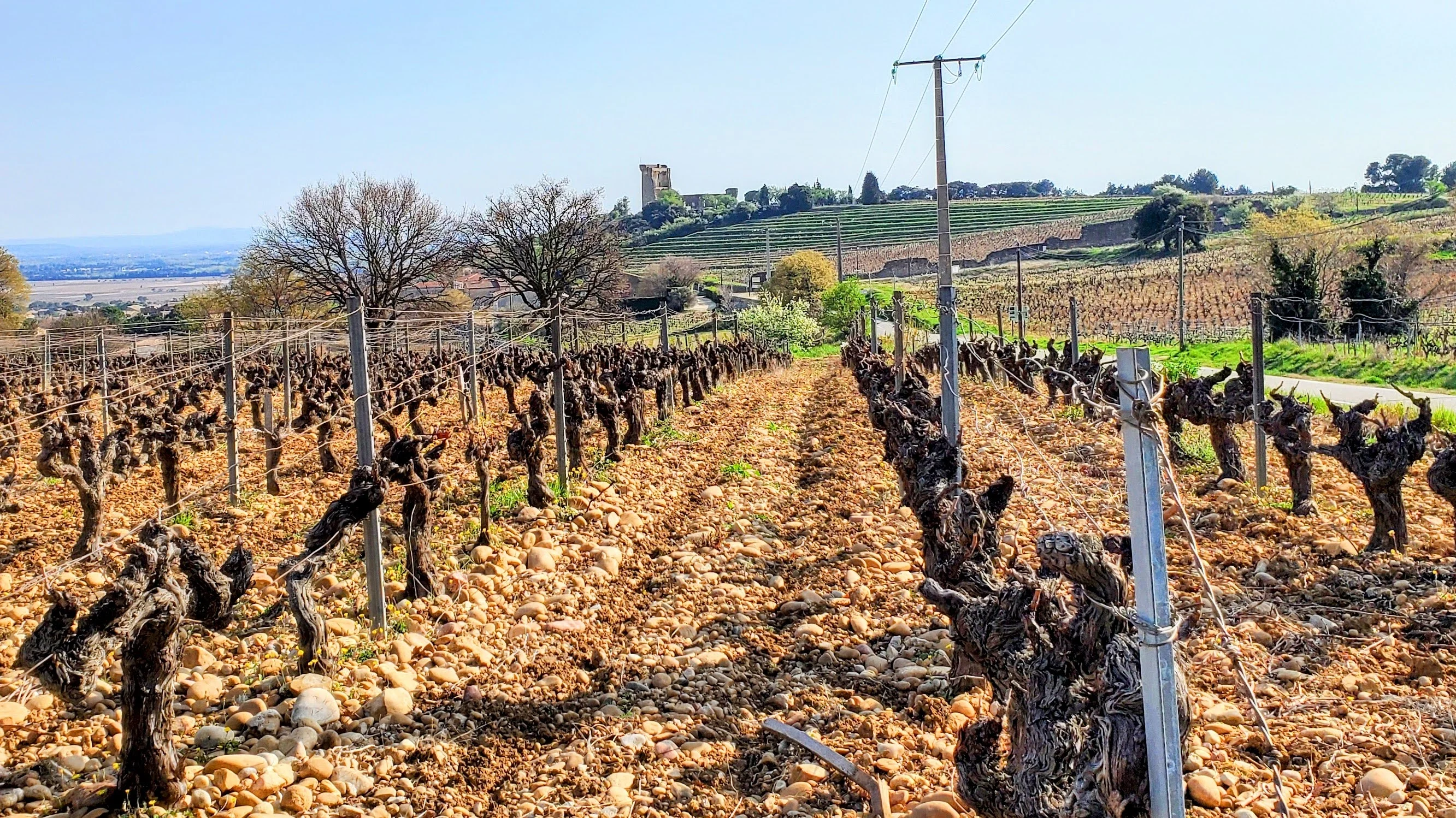
A few years ago, my love for Grenache brought me to Châteauneuf-du-Pape in the Southern Rhône. I wanted to walk the land it came from, to meet the hands that grew it.
The landscape was beautiful, steeped in history. But what truly stopped me in my tracks were the vines themselves. Low to the ground, gnarled and twisted, their thick, weathered trunks looked almost prehistoric. Many were well over a century old — in this part of the world, a fifty-year-old vine is still considered young.
Their roots have spent decades pushing through the galets roulés river stones, through red clay, through layers of ancient limestone. And those roots remember.
Every mineral layer, every micro-organism in the soil leaves its mark, traveling upward from root to trunk, branch to berry, and finally into the glass in front of you.
This is what the French mean by terroir, a language the land speaks that no recipe can replicate. It is also the very foundation of organic and biodynamic wine, where protecting this silent, underground architecture is not just a method, but a philosophy.
Organic and Biodynamic Wine: Less Is a Philosophy
That philosophy takes three forms: organic, biodynamic, and sustainable.
Three Paths, One Intention
Among these, biodynamic farming is the one that sparks the most curiosity, and it is easy to see why.
The entire cycle of growing and winemaking follows the phases of the moon. Pruning, harvesting, pressing, and bottling—each is timed to the lunar calendar. Fertilizers are made from natural plant preparations, treating the vineyard as a closed, self-sustaining ecosystem where the soil and the vine exist in perfect harmony.
It sounds romantic. In practice, it is extraordinarily demanding. A single bottle of organic and biodynamic wine made this way requires a level of care and labor that the market rarely reflects in price. It takes real conviction. But the wines that emerge carry a purity that speaks for itself.
While biodynamics follows the rhythms of the moon, organic farming focuses on stripping away synthetic pesticides and chemical fertilizers, letting the soil rebuild on its own terms. Sustainable viticulture takes an even wider lens, reducing water use and protecting biodiversity so the next generation can still work the land.
Where They Meet
Their methods differ, but all three arrive at the same truth: they do not force the soil or the vine. They listen.
When they do, the soil recovers its resilience. The vine finds its balance. And the fruit, by harvest, carries a story of its own.
Add less. Observe more. Respect the natural order.
Once grapes have been raised this way, the winemaker needs no complicated chemistry in the cellar. The work becomes honest and simple: capture what is already there. Trust the fruit that grew in nature’s rhythm, and step back.
The best wines are not made. They are allowed.

The Art of Getting Out of the Way
Having spent years working with both flowers and wine, I have come to recognize a quiet principle that runs through both.
The floral arrangements that truly strike me are never the ones that feel forced — packed tight with blooms or designed to overwhelm.
They are the ones built from healthy, vibrant blooms, where every element of design, from color to texture to proportion, sits exactly where it belongs, and even the empty space carries meaning. When a piece achieves that kind of clarity, it moves you. Every art form shares this truth; only the materials differ.
Wine behaves the same way.
When grapes arrive healthy from living, well-tended soil, the winemaker does not need to fill in the gaps. No acid adjustments to fix a vine that lost its balance. No additives to supply aromas the grape could not produce on its own. The mineral complexity and raw energy the soil delivered are already there, cradled inside every berry.
A wine crafted with this philosophy opens quietly in the glass, unfolding its layers over time, and speaking to you long after the last sip. This is the ultimate reward of organic and biodynamic wine. A beauty that becomes possible only through minimal intervention. The art of getting out of the way.
The wine in your glass should be an honest translation of what the vineyard actually produced. Nothing more, nothing less.
What the Blind Tastings Tell Us
Does a commitment to organic and biodynamic farming actually show up in the glass? Wine lovers ask this question all the time, and the wines themselves provide the answer.
Expert-led blind tastings comparing biodynamic and conventional wines have consistently pointed in the same direction. The difference shows up not just in overall quality, but in something far more telling: how vividly a wine expresses its origin — in aroma, in flavor, and in texture.
Many of the finest estates across Burgundy, Alsace, and beyond have held this conviction for decades. The evidence lives in their soil and their glasses, and they have known it all along.
Across many wine regions, I have walked the vineyards, sat in the cellars sharing conversation, and tasted their wines. Each time, my belief in what nature can produce when respected has grown deeper, until it became, like theirs, certainty.
What Organic and Biodynamic Wines Share
Organic, biodynamic, and sustainably farmed wines share one defining quality: purity.
This is a clean, unforced clarity that tells you exactly where the grape was grown and how it was tended. The fruit is direct and vivid. The acidity feels natural and bright. There is a mineral presence, subtle yet textural, that seems to arrive straight from the soil.
The alcohol does not burn. The tannins do not overwhelm. No single element dominates; everything holds together in a calm, seamless balance.
The wines I keep returning to always possess three things: purity, vibrancy, and balance
These were not qualities I set out looking for. They were simply a pattern I discovered, a common thread running through the bottles that stayed with me most.
When I traced those wines back to their origins, the path always led to the same place: vineyards where the grower chose to listen to the land.
How to Choose Organic and Biodynamic Wine
Finding these wines is simpler than you might think.
Start with one question: how were the grapes in this bottle grown?
Look for the words Organic, Biodynamic, or Sustainable on the label. Each is a meaningful signal. It means someone chose to farm with greater care, deeper trust in nature, and a real commitment to keeping the soil alive.
But not everything is written on a label.
Beyond the Label
Some of the most beautifully farmed vineyards carry no official seal. Certification is expensive, and many growers whose practices are impeccable choose to bypass the paperwork. The philosophy still lives in their soil, just not written on the label.
This is where a good wine shop matters. If a bottle catches your eye, ask about the producer. Ask how they farm. Those who know wine well will have an answer, and they will welcome the question.
You can also look for yourself. A few minutes on a producer’s website can reveal more than any back label ever could. Terms like soil health, cover crops, or minimal intervention in the cellar are reliable signs of a grower who acts with intention.
Wines crafted this way may not be the cheapest bottles on the shelf. The yields are lower, and the labor is far greater. But once in the glass, they are more than worth it.
A Legacy the Next Harvest Will Inherit
“Sustainable” is a word you hear everywhere now. Maybe too often. In a vineyard, however, it means something deeper:
“Will this soil still be alive in fifty years?”
It is not merely about this year’s harvest, but a commitment to farming for a future the grower may never see.
The people who farm this way are a rare kind. They plant trees under whose full shade they will never sit. They nurture the soil so that the generations after them can inherit something whole and healthy.
To care for what lies beyond the next vintage, to choose the land over this year’s return, is a deliberate and noble path.
When we choose the wines they make, we become part of their story. It is a recognition of what the land truly means, and a promise for those who follow.
*For more on choosing wine with intention, see Cheap Wine vs. Fine Wine: What’s Actually in Your Glass
Wine. Flowers. The Art of Living Well.
© VinFloria · All rights reserved.
Leave a Reply